Sewage backups can be a distressing and hazardous situation for any homeowner in Sumter. Knowing how to properly address the aftermath is essential for your safety and home integrity. This guide outlines the steps you need to take after a sewage backup, including safety precautions, cleanup methods, and when to seek professional help.
Understanding Sewage Backups
A sewage backup occurs when wastewater flows back into your home instead of exiting through the plumbing system. This can happen due to clogged pipes, heavy rain, or even system failures. Understanding the cause is crucial for preventing future incidents and ensuring effective cleanup.
Safety Precautions
Before starting any cleanup, prioritize safety. Sewage contains harmful bacteria and pathogens that can pose serious health risks. Here are some key precautions to take:
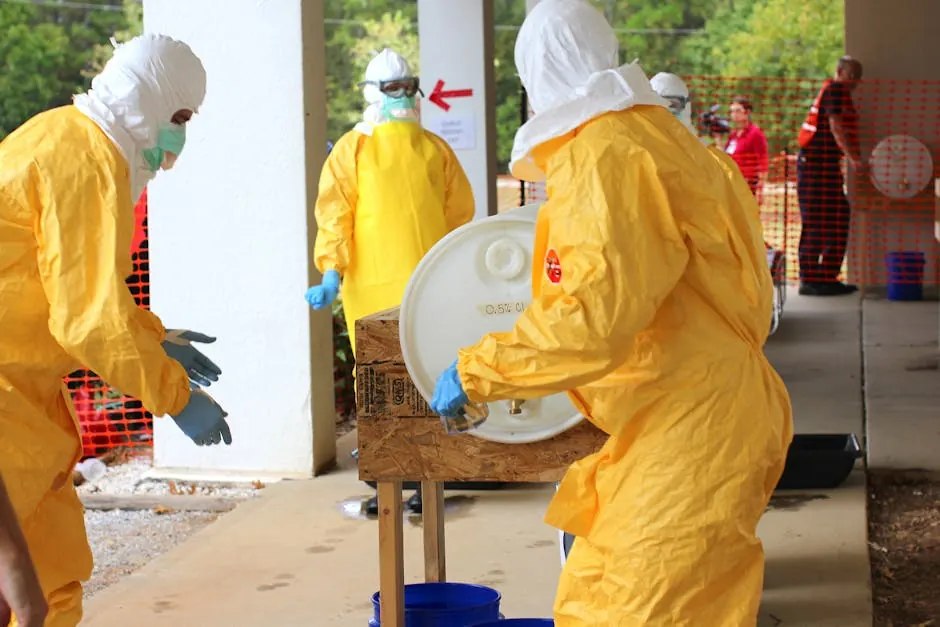
- Wear protective gear: gloves, masks, and boots are essential to avoid direct contact with sewage.
- Ensure proper ventilation: open windows and doors to allow fresh air circulation.
- Turn off electricity: avoid any electrical hazards by shutting off power in affected areas.
Initial Steps for Cleanup
Once it is safe to proceed, follow these initial cleanup steps:
- Remove standing water: Use a wet/dry vacuum to extract as much water as possible.
- Dispose of contaminated items: Items like carpets, rugs, and upholstery that have absorbed sewage should be discarded.
- Clean surfaces: Use a mixture of water and bleach to scrub hard surfaces and eliminate bacteria.
For homes in areas like South Sumter, where flooding can lead to sewage issues, understanding these initial steps is vital.
Dealing with Contaminated Materials
Any materials that have come into contact with sewage must be handled with care. Here's how to deal with them:
- Textiles: Clothing and linens should be washed in hot water or discarded if heavily contaminated.
- Furniture: If furniture is salvageable, clean and disinfect it thoroughly. If not, it should be disposed of properly.
- Drywall and insulation: Remove and replace any drywall or insulation that has been soaked in sewage.
Disinfection and Odor Removal
After the initial cleanup, disinfection is crucial to eliminate lingering bacteria and odors. Use a commercial-grade disinfectant or a mixture of bleach and water. For odor removal, consider:
- Using baking soda on carpets and upholstery to absorb smells.
- Employing air purifiers to help clear the air.
- Contacting professionals for Disinfection Services in Sumter, SC if odors persist.
Common Mistakes to Avoid
Many homeowners make mistakes during sewage cleanup that can lead to further issues. Avoid the following:
- Not wearing proper protective gear, which can expose you to health risks.
- Failing to ventilate the area, leading to mold growth.
- Ignoring the need for thorough disinfection, which can leave harmful bacteria behind.
When to Call a Professional
While some homeowners can manage minor sewage backups, it's often best to call in professionals. If the backup is extensive, involves hazardous materials, or if you're unsure about the cleanup process, reaching out to Sumter Bio Cleanup Pros is advisable. Our team specializes in Sewage Backup Cleanup in Sumter, SC and can ensure a safe and thorough cleanup.
Frequently Asked Questions
What should I do first after a sewage backup?
Start by ensuring your safety: wear protective gear, turn off electricity, and ventilate the area. Then, begin removing standing water and discarding contaminated materials.
Can I clean up sewage myself?
While minor backups may be manageable, it's often safer to hire professionals, especially if the backup is extensive or involves hazardous waste.
How can I prevent future sewage backups?
Regular maintenance of your plumbing system, including checking for clogs and ensuring proper drainage, can help prevent backups.
What are the health risks associated with sewage exposure?
Sewage contains harmful bacteria and pathogens that can cause serious health issues, including gastrointestinal infections and respiratory problems.
How long does it take to clean up after a sewage backup?
The duration of cleanup depends on the extent of the damage. Minor cleanups may take a few hours, while extensive damage can require days of work.